Bitcoin Poker for Beginners: Bankroll, Rake and Table Selection

- Primary Signal: Bitcoin Poker for Beginners: Bankroll, Rake and Table Selection
- Overview: Poker is the one casino game where skill genuinely matters. Learn how bankroll rules, rake and table selection decide whether a beginner survives....
- Verification: Analyzed and compiled by Lucky Satoshi editorial monitoring desk.
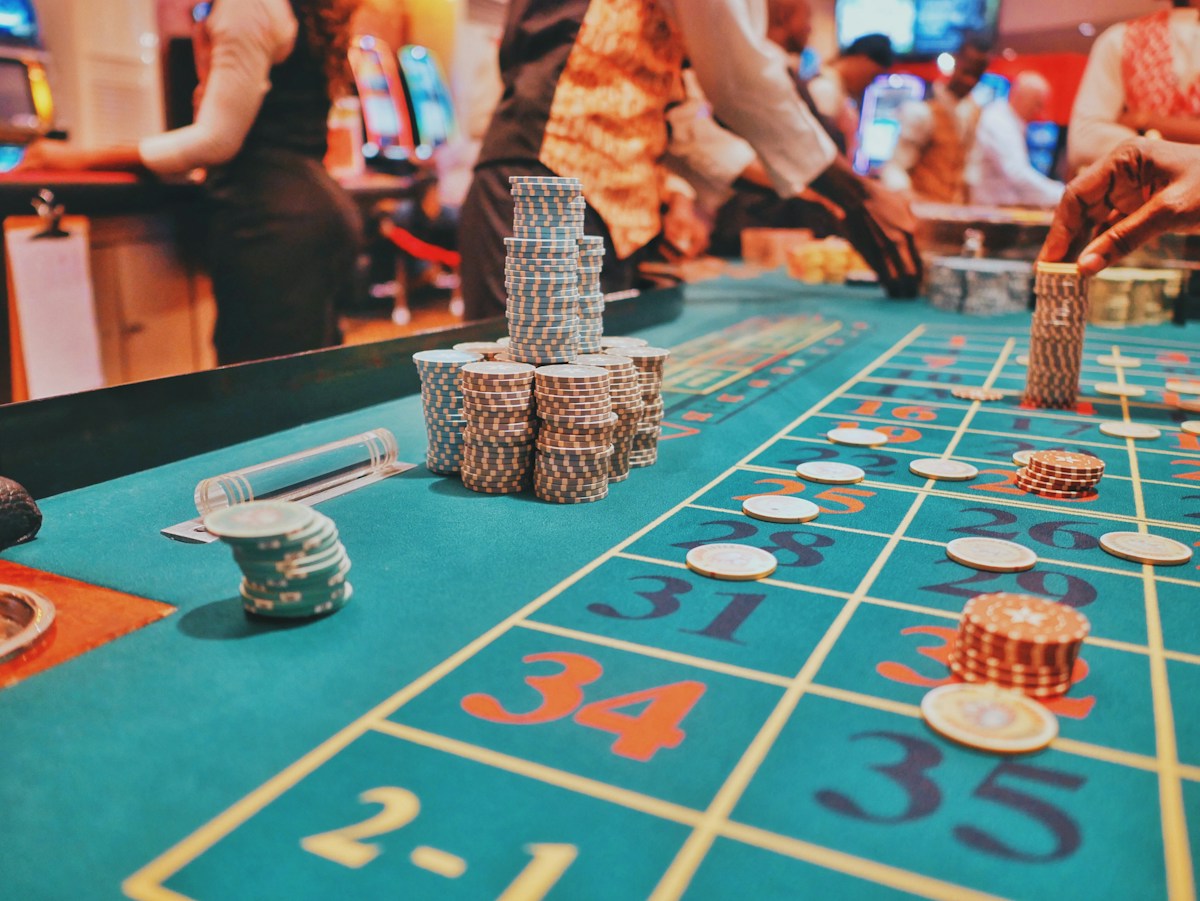
Poker is different from every other game in a crypto casino, because you are not playing against the house. You are playing against other people, and the house takes a small cut, called rake, from each pot. That single difference changes everything: skill matters, patience matters, and a disciplined beginner can genuinely improve over time, while a reckless one donates steadily to better players. Bitcoin poker adds fast deposits and global player pools to that mix, but the fundamentals that decide whether a beginner survives are timeless: bankroll management, rake awareness, and choosing the right table.
Bankroll management is the first survival skill. A common guideline is to keep at least twenty to thirty buy-ins for the stake level you play, so that normal downswings cannot wipe you out. A buy-in is the amount you sit down with at a table, and playing with fewer than twenty of them means a bad week can end your poker entirely, regardless of skill. Move down in stakes when your bankroll shrinks, even though it bruises the ego, and move up only when your bankroll and your results both justify it. Treat poker money as separate from life money, keep it in a dedicated wallet if that helps, and never sit down with funds you need for bills.
Rake is the quiet tax that shapes the whole game. The house takes a percentage of each pot, usually capped, and at low stakes that cap represents a large share of the pots you win. This means you must beat both your opponents and the rake to profit, which is harder at small stakes than most beginners expect. Rakeback deals, where a portion of your rake is returned, can soften this considerably, and they are worth comparing between poker rooms, but read the terms, because rakeback often comes with volume conditions. Also note that faster games with more hands per hour generate more rake per hour, so a quick-fold format can cost you far more in rake than a slower game at the same stakes.
Table selection is the skill beginners underrate most. Your profit comes from the mistakes of weaker players, so sitting at a table full of strong, tight regulars is a recipe for slow losses, while a table with loose, recreational players offers genuine opportunity. Look for tables with high average pot sizes and a high share of players seeing the flop, both signs of loose play, and do not be afraid to leave a tough table and find a softer one. Study the basics, starting hands, position and pot odds, before moving up, and review your biggest losing hands honestly. Poker rewards the player who learns fastest, not the one who plays most. Gamble responsibly, set limits, and keep poker a game you enjoy.
Beginners improve fastest not by playing more hands, but by studying the right things between sessions, and a few habits consistently separate players who progress from players who plateau. The first habit is reviewing losing hands honestly, without blaming bad luck: for each significant loss, ask whether a different decision at any point would have changed the outcome, and whether that decision was knowable at the time, because only knowable mistakes are worth fixing. The second habit is learning one concept at a time, such as position, starting hand selection, or pot odds, and practising it deliberately for a week before adding the next, because trying to learn everything at once produces nothing retained. The third habit is watching better players with a purpose, noting not what they do but why they do it, especially their bet sizing and their decisions in marginal spots. Free training videos and strategy articles are abundant, but choose sources that explain reasoning rather than showing highlights, because highlight reels teach aggression without context. The fourth habit is tracking results by game type and stake level, so you can see where you actually win and lose, rather than relying on a general feeling about your play. Finally, protect your study time from tilt: never study immediately after a painful loss, when every hand looks like a mistake, and never play immediately after studying a new concept, when you will force it into spots where it does not belong. Improvement in poker is slow and unglamorous, built from small, repeated corrections, and the beginner who embraces that pace will outlast the beginner who chases quick tricks.
📖 Continue Reading the Full Story
Continue reading this article on Lucky Satoshi.
⚡ Access Full Content NowMore from Lucky Satoshi



 📈 1UpTrade Live
Bitcoin Mining Electricity Cost: Is It Still Profitable in 2026?
Electricity is 70%+ of mining costs. Learn how to calculate your mining electricity cost, what rates make mini...
 🐋 CryptoAce VIP
How to Read a Bitcoin Liquidation Heatmap: A Beginner's Guide
What the glowing colors on a liquidation heatmap actually mean, how to spot liquidity magnets step by step, an...
 🚀 RocketCoin Casino
Crypto Dice Under and Over Betting: A Strategy Guide for Beginners
A beginner guide to crypto dice under and over betting: how win chance, payout, and bankroll math connect, and...
 📦 Free2Rich Vault
Free Video Editing Software for Beginners in 2026: CapCut Alternatives and More
Free video editing software in 2026 covers everything from phone clips to YouTube videos. This guide compares ...