Bitcoin Roulette Odds: Single-Zero vs Double-Zero and Why the Wheel Matters
- Primary Signal: Bitcoin Roulette Odds: Single-Zero vs Double-Zero and Why the Wheel Matters
- Overview: Same payouts, nearly double the house edge: a double-zero wheel costs 5.26% against 2.7% for single-zero. Why the extra pocket matters, how en prison cuts the edge further, and why...
- Verification: Analyzed and compiled by Lucky Satoshi editorial monitoring desk.
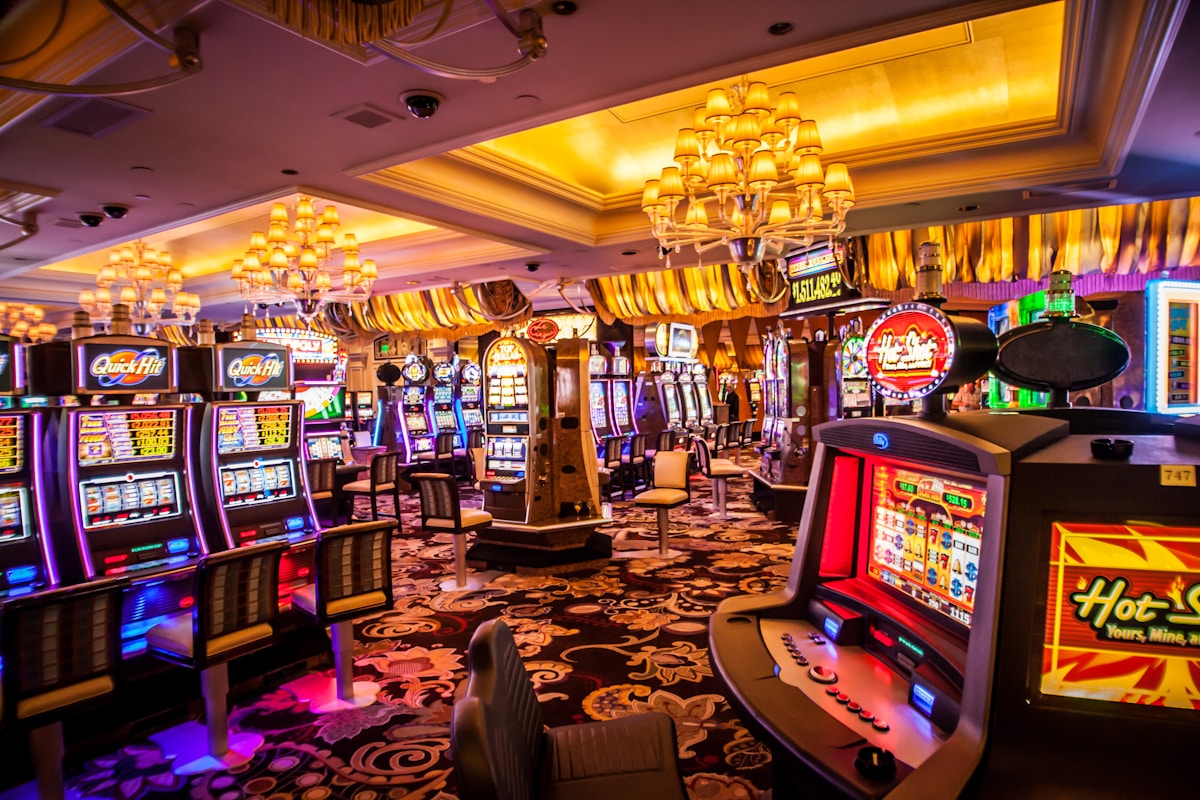
Roulette looks identical wherever you play it: a wheel, a ball, and a betting layout. But the wheel itself comes in two versions, and the difference between them is worth real money over time. A single-zero European wheel carries a house edge of 2.7 percent, while a double-zero American wheel carries 5.26 percent, nearly double, for exactly the same payouts. Choosing the right wheel is the easiest advantage a roulette player can take.
The maths is straightforward. A European wheel has thirty-seven pockets: numbers one to thirty-six plus a single zero. A bet on red pays even money, but the true odds are eighteen in thirty-seven, not eighteen in thirty-six, and that gap is the house edge. An American wheel adds a double-zero pocket, making thirty-eight pockets, so the same even-money bet now wins eighteen times in thirty-eight, and the edge nearly doubles while the payout stays the same.
That difference compounds fast. A player wagering one thousand dollars' worth of even-money bets expects to lose about twenty-seven dollars on a single-zero wheel and about fifty-three dollars on a double-zero wheel, and over a year of regular play the gap becomes hundreds of dollars. There is no strategic reason to accept the worse wheel when the better one is available, which at most crypto casinos it is.
Some European games offer additional rules that improve even-money bets further. The en prison rule, common in French roulette, holds your even-money stake for another spin when zero lands, returning it if the next spin wins, which cuts the house edge on those bets to about 1.35 percent. The la partage rule is similar but returns half your stake immediately when zero lands. If you mostly bet red, black, odd, even, high, or low, these rules are worth seeking out.
Inside bets — straight numbers, splits, and corners — pay more but hit less often, and their house edge is the same 2.7 or 5.26 percent as the outside bets on the same wheel. No combination of inside bets changes that edge, and covering more numbers does not dilute it either: betting on every number except zero still loses the same percentage over time, just with less variance. The wheel, not the betting pattern, decides your long-run cost.
Betting systems deserve the same scepticism here as everywhere else. Doubling after losses, following sequences, or betting on numbers that are due all fail for the same reason: each spin is independent, the wheel has no memory, and the house edge applies to every spin regardless of what came before. A system can change the shape of your results — many small wins and rare large losses, or vice versa — but it cannot change the average, which is set by the wheel.
Live dealer roulette adds a human element that some players prefer, with a real wheel streamed in real time, but the maths is identical to a digital game on the same wheel type. Choose live dealer for atmosphere and trust if you like it, not because you believe a physical wheel is more predictable, because a properly maintained wheel is as random as a certified random number generator.
When choosing a table, check three things: single zero rather than double zero, en prison or la partage if you bet even money, and minimum stakes that fit your session budget. A table with a high minimum forces larger bets than your bankroll plan allows, which shortens your session and increases variance, so a low-minimum European table is the best starting point for most players.
Set a session budget and a time limit before you play, keep stakes small relative to that budget, and treat roulette as entertainment with a known hourly cost rather than a way to make money. The single-zero wheel halves that cost compared with the double-zero wheel, which is a genuine improvement — but halving a cost is not the same as removing it, and the house edge remains on every spin you place.
📖 Continue Reading the Full Story
Continue reading this article on Lucky Satoshi.
⚡ Access Full Content NowMore from Lucky Satoshi



 🐋 CryptoAce VIP
How to Read a Bitcoin Liquidation Heatmap: A Beginner's Guide
What the glowing colors on a liquidation heatmap actually mean, how to spot liquidity magnets step by step, an...
 ⚡ LiveCoin Bet
Who Answers When Bitcoin Moves at 2 AM?
Crypto's biggest moments happen outside office hours. Compare the three real options for 2 AM coverage — staff...
 🎁 Get Rich Free
Side hustles you can start from your phone today: A Practical Beginner's Guide
This guide explains side hustles you can start from your phone today in plain language, with practical steps, ...
 💰 Free2Rich Online
How to Start a Print on Demand Store for Free: A Beginner's Step-by-Step Guide
Print on demand lets you sell custom shirts, mugs, and posters without inventory or upfront costs. Follow this...